

Bruises Beneath Brocade
What does it mean that some of the most exquisitely sensitive films about constraint and moral courage—films that taught many viewers to notice class cruelty, emotional repression, and the quiet heroism of small acts—were created inside a system that often asked others to keep quiet, endure, and carry on?
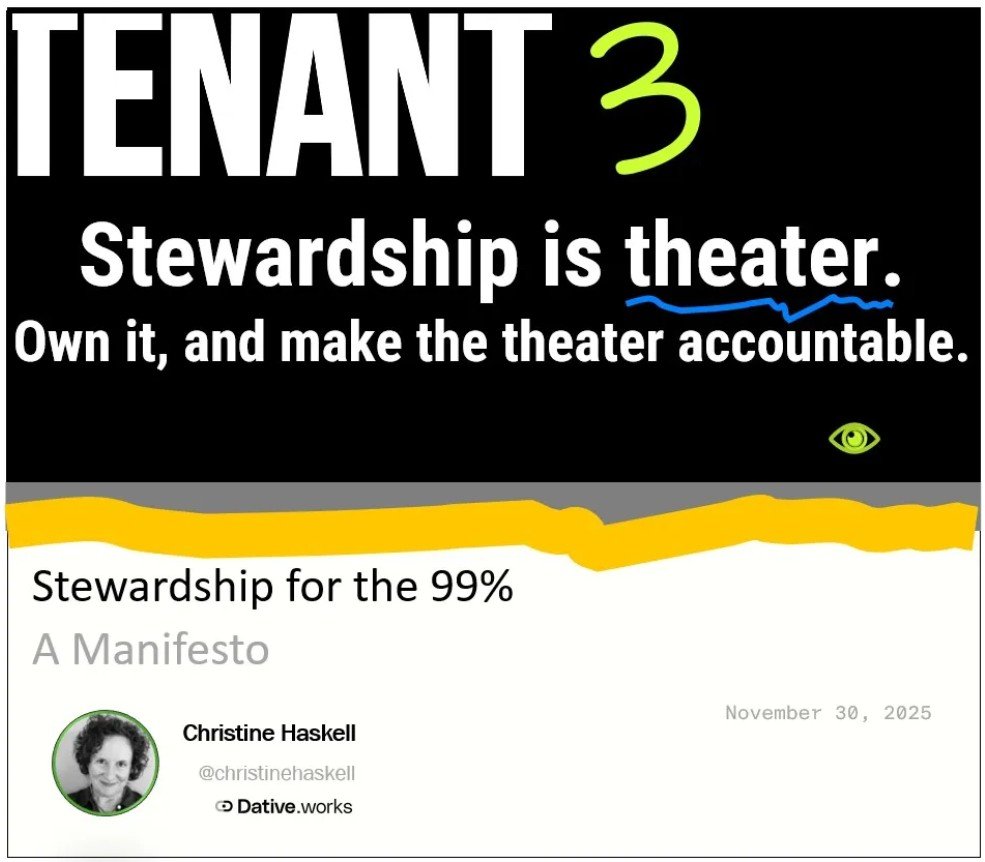
Tenant 3: Stewardship is theater.
By now, the true innovation of our era may be in the choreography of virtue: the panel, the audit, the dashboard, the values campaign, all staged to prove responsibility without ever surrendering control. It is easy to mistake more rituals for more care. But anyone who has sat through a post-mortem town hall or glossy transparency memo knows how often these spectacles exhaust dissent instead of enabling it. What passes for transparency is frequently a technology for managing consequence, not sharing it: failure is scripted into apologies and metrics while the machinery of extraction not only survives, but earns fresh legitimacy.
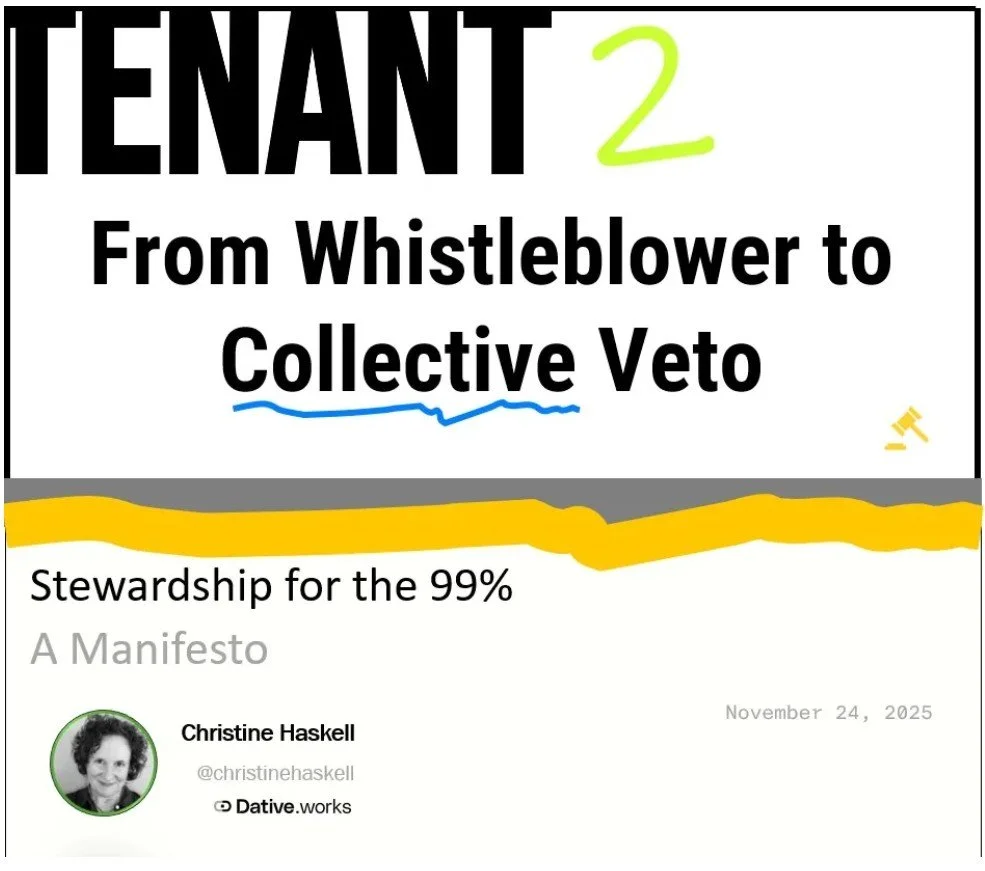
Tenant 2: From Whistleblower to Collective Veto
After years of solitary warnings, the center of gravity has shifted from whistleblowing to organized constraint. Since 2018, the recent stewardship strikes have moved from the U.S. global tech hubs and European labor venues. Google employees’ revolt against Project Maven marked a pivot from ethics as branding to ethics as veto; the global walkout the same year demonstrated that action could move policy. By 2020, internal protests over the treatment of AI ethics researchers made the stakes explicit. In 2023, Hollywood turned talk into contract, codifying consent and compensation for AI use.
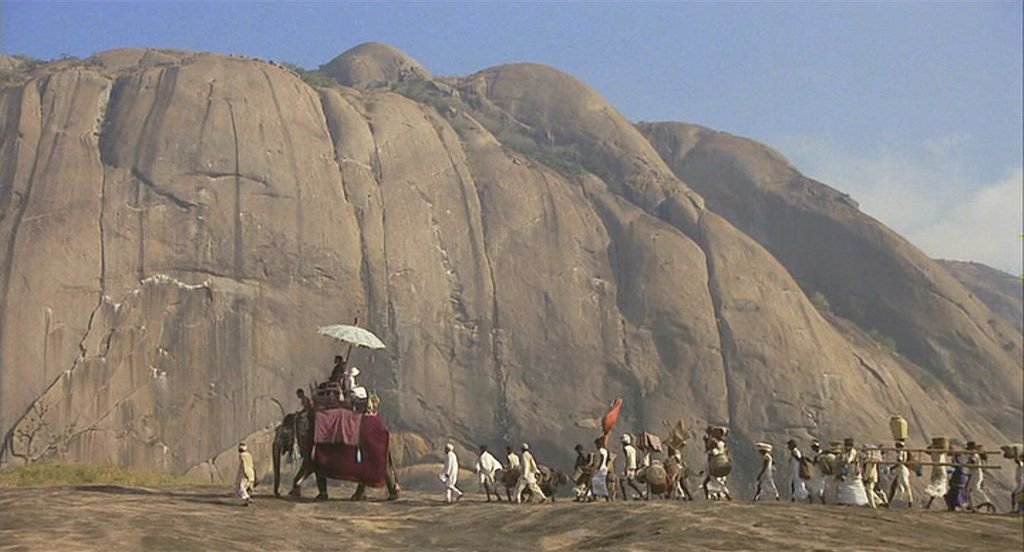
AI as a Period Movie set
Period films taught us to notice the fine grain of class and constraint. Who opens the doors, who carries the trays, whose feelings must be swallowed so that another character’s moral awakening can unfold in peace. The AI products that now saturate daily life are built on a similarly stratified stage, where some workers appear in the credits (engineers, founders) and others remain offscreen (moderators, annotators, ghostwriters, and translators) despite being essential to the performance.
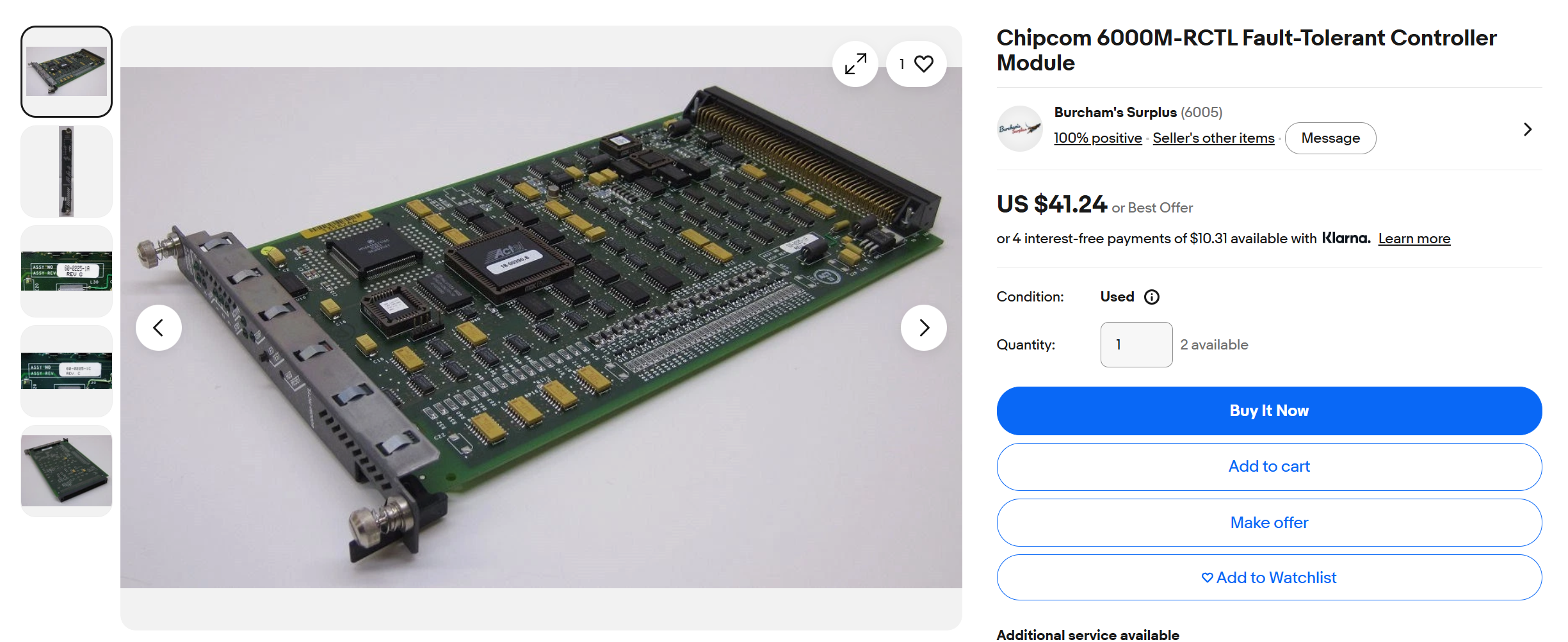
My first college internship: Chipcom
To understand why a company like Chipcom matters today, look back at the economic psyche of the early 1990s. While a brutal white-collar recession left traditional corporate America drowning in a sea of beige cubicles, mass layoffs, and bureaucratic stagnation, technology emerged as a vibrant, neon-lit escape hatch. For a generation desperate to avoid the monotonous climb of traditional corporate hierarchies, tech wasn't just a career path—it was a cultural rebellion fueled by raw meritocracy, fast-paced innovation, and the physical thrill of building the future.
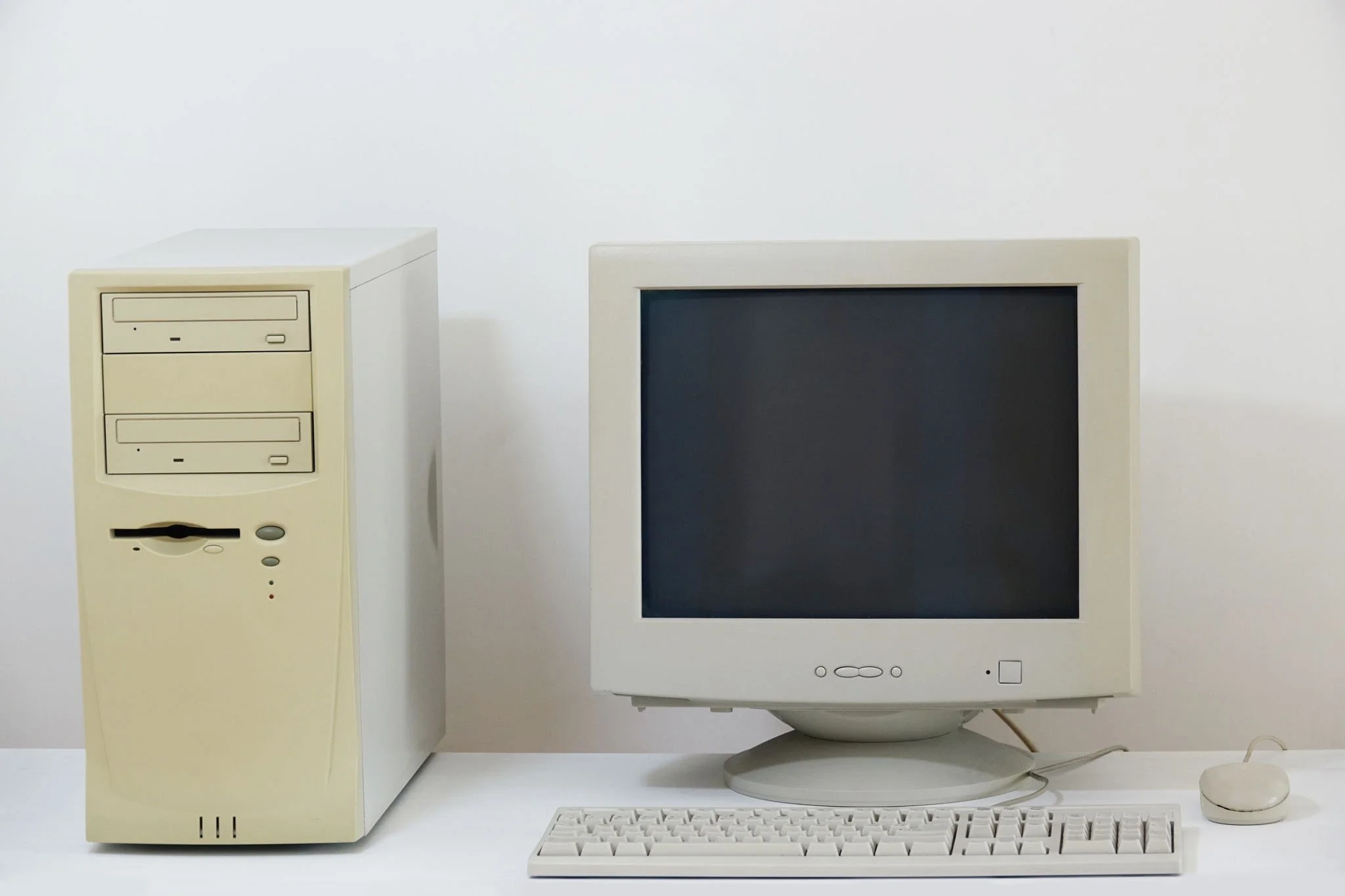
Beyond the Nostalgia: How Yoyodyne and Yahoo Built the Blueprint for Modern Tech Capitalism
The 1990s commercial internet is often remembered through a nostalgic lens, but viewing it strictly as a technological playground obscures the brilliant and sometimes ruthless business engineering happening beneath the surface.