
Understanding the Business Model Canvas
The short answer is that the Canvas makes a complicated business easier to see.
Organizations contain customers, employees, suppliers, technologies, processes, costs, revenue, information, and competing priorities. Those things are connected, but they are rarely described in one place. Different people inside the same organization may understand only the part closest to their own work.
The Canvas forces much of that complexity onto a single page. That gives your team three useful things: focus, transparency, and flexibility.
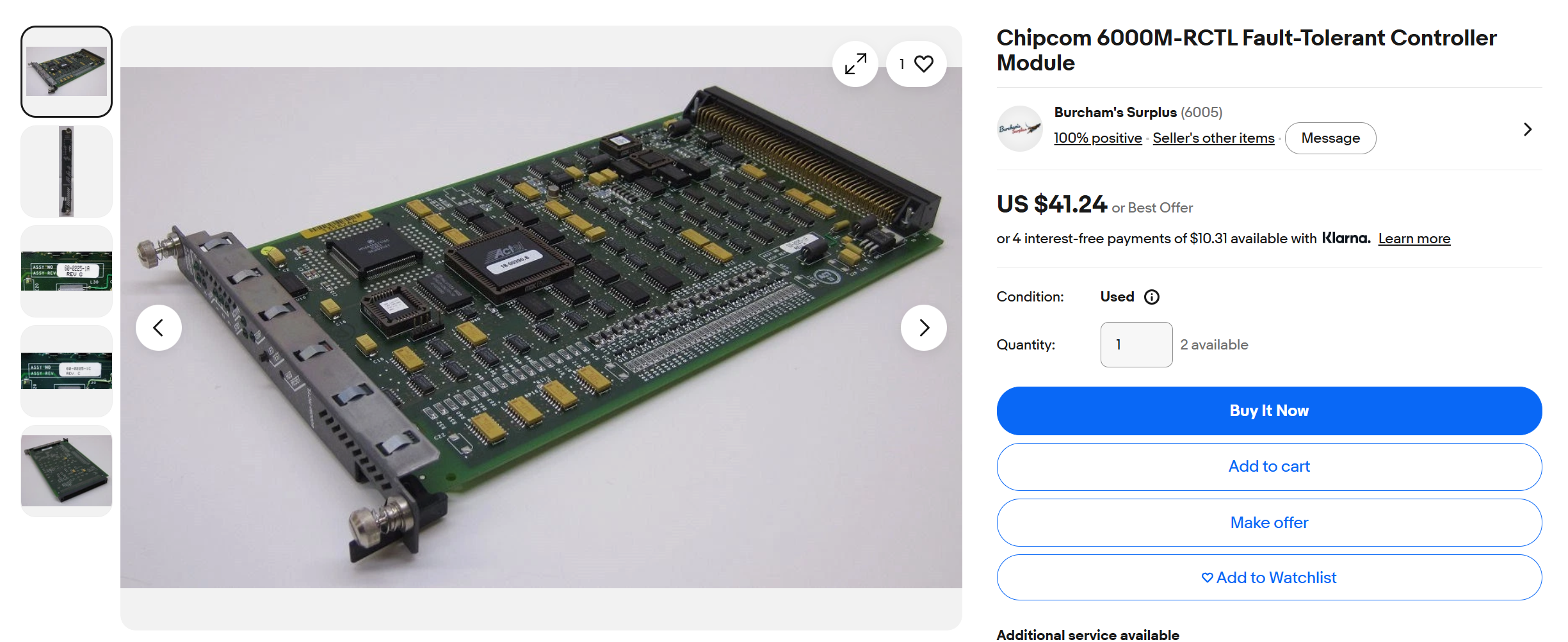
My first college internship: Chipcom
To understand why a company like Chipcom matters today, look back at the economic psyche of the early 1990s. While a brutal white-collar recession left traditional corporate America drowning in a sea of beige cubicles, mass layoffs, and bureaucratic stagnation, technology emerged as a vibrant, neon-lit escape hatch. For a generation desperate to avoid the monotonous climb of traditional corporate hierarchies, tech wasn't just a career path—it was a cultural rebellion fueled by raw meritocracy, fast-paced innovation, and the physical thrill of building the future.

Beyond the Nostalgia: How Yoyodyne and Yahoo Built the Blueprint for Modern Tech Capitalism
The 1990s commercial internet is often remembered through a nostalgic lens, but viewing it strictly as a technological playground obscures the brilliant and sometimes ruthless business engineering happening beneath the surface.

Team Charters: Give the Team Something to Work From
Most project teams do not fail because nobody made a plan. They struggle because people begin working from different assumptions about the problem, the boundaries of the work, who owns what, and how decisions will get made.
A team charter gives the group something to work from before those differences become expensive.