

AI Legislation Weather Report: This Week in “Please Stop Letting Robots Talk to Kids Like That”
If the bill numbers in Transparency Coalition’s weekly roundup make your eyes blur, that’s normal, and it’s also the wrong way to read it. This isn’t “AI regulation” in the abstract. It’s a rolling, state-by-state effort to write product-safety rules for the places AI is already touching everyday life: chatbots that impersonate humans, tools that can manufacture sexual content, systems that can imitate your face and voice, and—most urgently—interfaces designed to keep kids engaged.
Think of this update as an AI weather report:
What moved this week
What’s building pressure, and
What’s likely to become enforceable next?
There won’t be a single national “AI law” that arrives all at once. There’s a patchwork forming in real time, and the pattern matters more than the bill numbers.
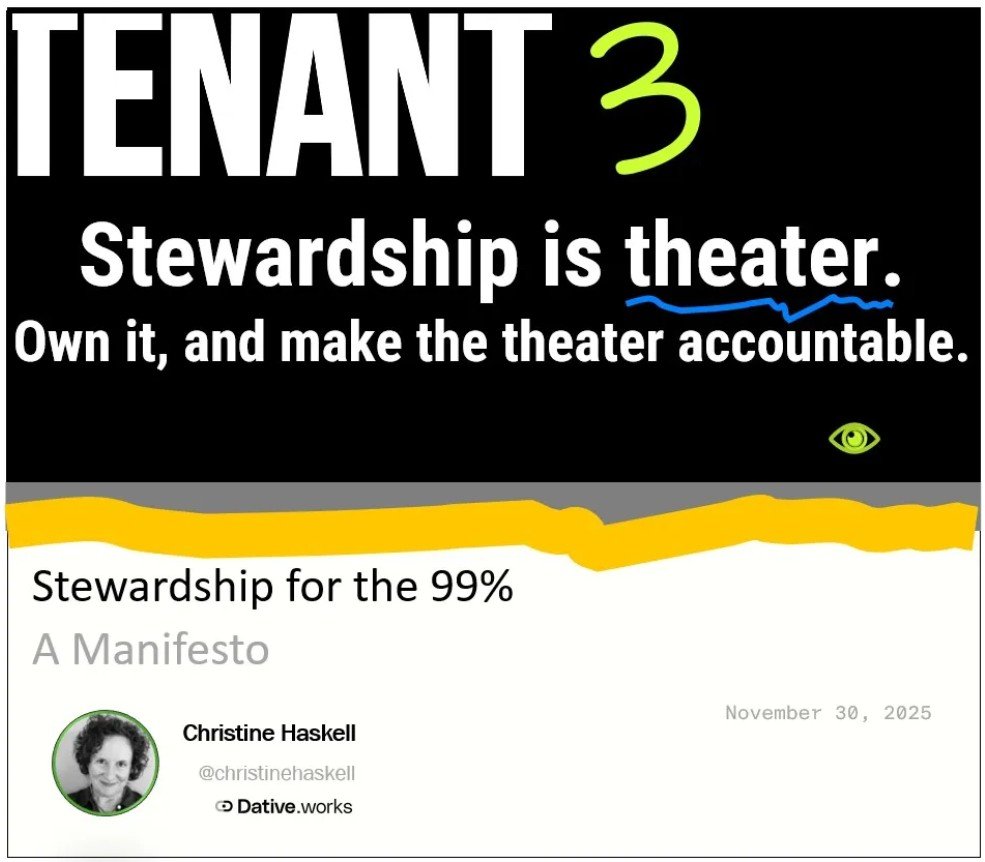
Tenant 3: Stewardship is theater.
By now, the true innovation of our era may be in the choreography of virtue: the panel, the audit, the dashboard, the values campaign, all staged to prove responsibility without ever surrendering control. It is easy to mistake more rituals for more care. But anyone who has sat through a post-mortem town hall or glossy transparency memo knows how often these spectacles exhaust dissent instead of enabling it. What passes for transparency is frequently a technology for managing consequence, not sharing it: failure is scripted into apologies and metrics while the machinery of extraction not only survives, but earns fresh legitimacy.
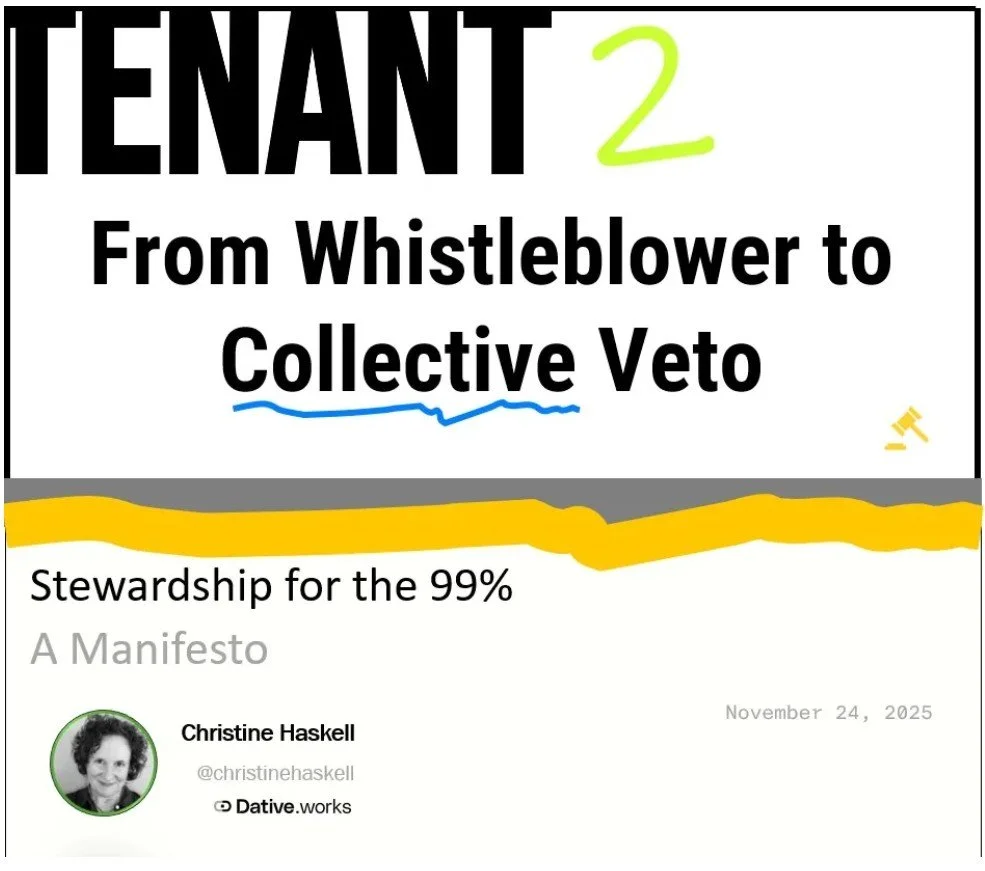
Tenant 2: From Whistleblower to Collective Veto
After years of solitary warnings, the center of gravity has shifted from whistleblowing to organized constraint. Since 2018, the recent stewardship strikes have moved from the U.S. global tech hubs and European labor venues. Google employees’ revolt against Project Maven marked a pivot from ethics as branding to ethics as veto; the global walkout the same year demonstrated that action could move policy. By 2020, internal protests over the treatment of AI ethics researchers made the stakes explicit. In 2023, Hollywood turned talk into contract, codifying consent and compensation for AI use.
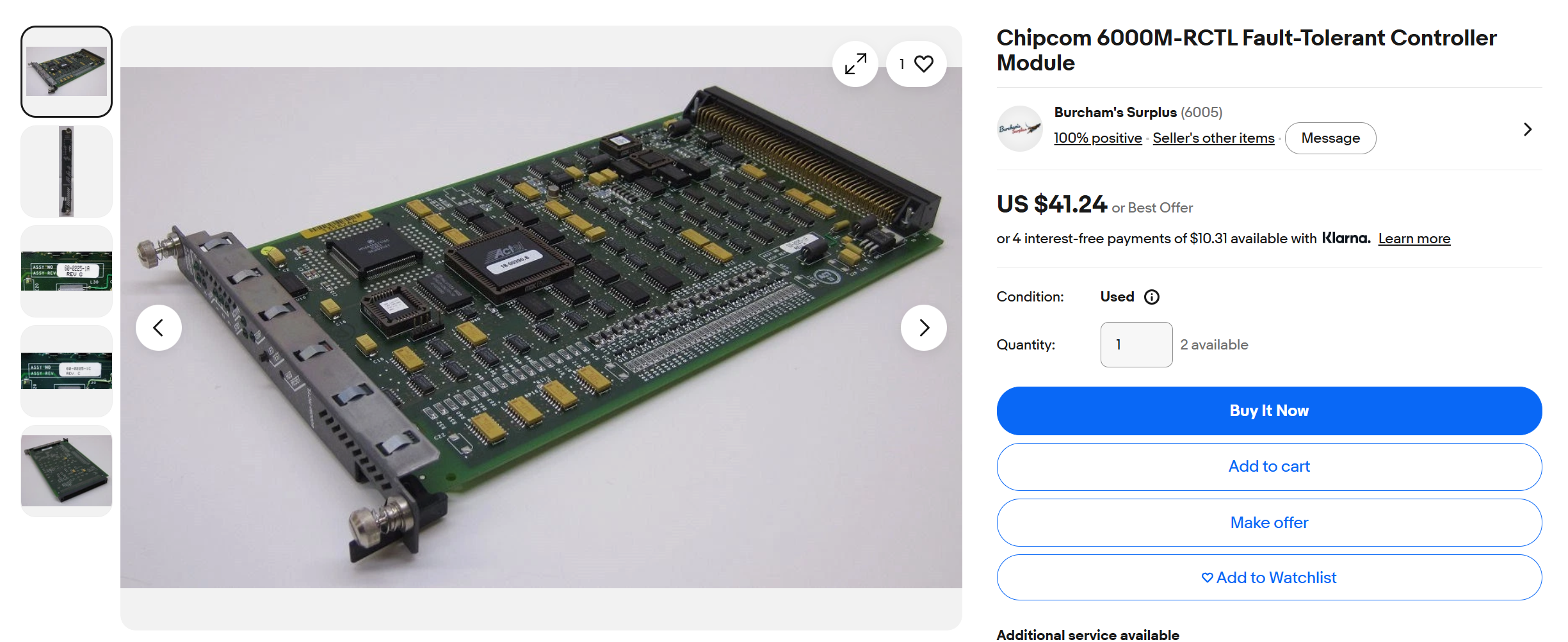
My first college internship: Chipcom
To understand why a company like Chipcom matters today, look back at the economic psyche of the early 1990s. While a brutal white-collar recession left traditional corporate America drowning in a sea of beige cubicles, mass layoffs, and bureaucratic stagnation, technology emerged as a vibrant, neon-lit escape hatch. For a generation desperate to avoid the monotonous climb of traditional corporate hierarchies, tech wasn't just a career path—it was a cultural rebellion fueled by raw meritocracy, fast-paced innovation, and the physical thrill of building the future.

Beyond the Nostalgia: How Yoyodyne and Yahoo Built the Blueprint for Modern Tech Capitalism
The 1990s commercial internet is often remembered through a nostalgic lens, but viewing it strictly as a technological playground obscures the brilliant and sometimes ruthless business engineering happening beneath the surface.