
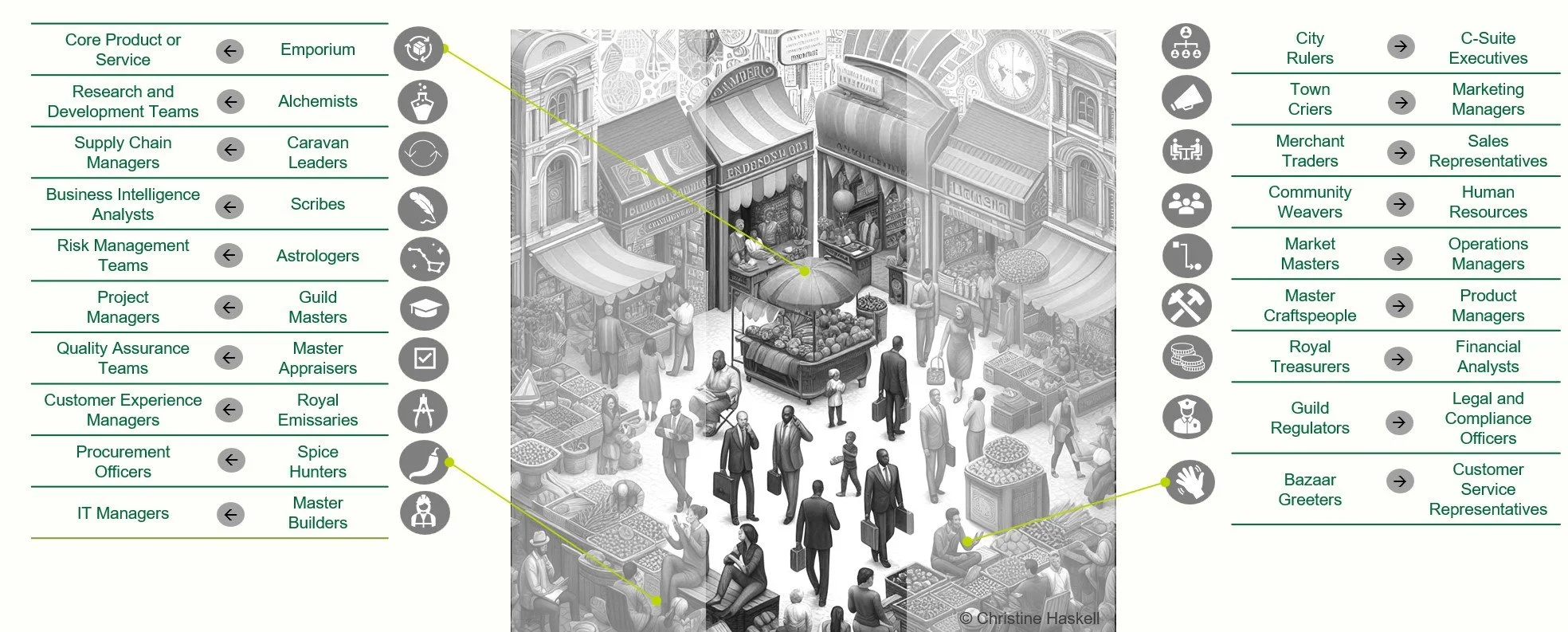
Describing data consumption to anyone
Visualizing data consumption as a bustling marketplace can help illuminate an organization’s diverse needs. Let’s explore how various business roles interact with data, like shoppers in a busy bazaar.

Low and High Quality AI: What's the Difference?
When we talk about "low-quality AI," we're referring to AI systems that are less sophisticated, less accurate, or more limited in their capabilities. These systems, interestingly, can sometimes lead to more critical and independent thinking from users.

The Double-Edged Sword of AI in Education and Work: Lessons from the Frontlines
As adjunct faculty, I get a front-row seat to the AI revolution in education and the workplace. What I've observed is both exciting and concerning, a paradox that we must navigate carefully as think about our future work.

Data Storytelling: Transforming Insights into Action With 2 Case Studies
The ability to craft compelling narratives from complex information is a superpower. Working with graduate students across various sectors, I help communicate how effective storytelling can bridge the gap between data teams and business leaders. Let's explore how to master this art and avoid common pitfalls.
Anticipating Resistance: A Proactive Approach to Data Project Success
In data leadership, resistance to change is often viewed as an inevitable hurdle to overcome. Successful data leaders should reframe that paradigm to planning for resistance before it occurs. This proactive approach not only smooths the path for project implementation but also fosters a culture of open communication and mutual understanding among their stakeholders.
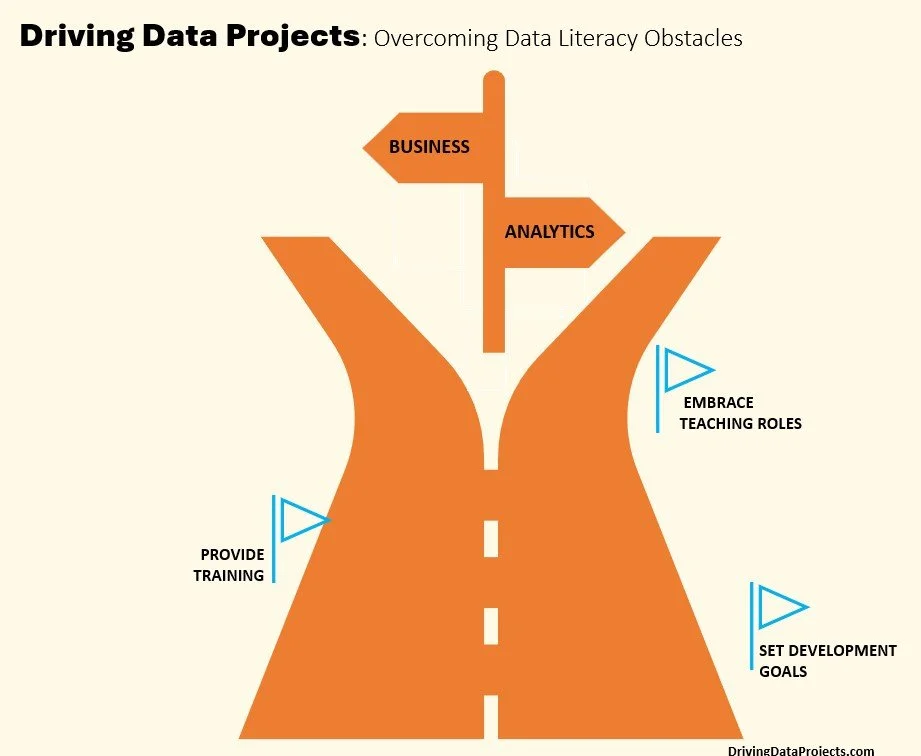
Analytics Challenge: Lack of Data Literacy Among Stakeholders
The symbiotic relationship between technical analytics development and business utilization underscores the heightened emphasis on data literacy skills. Recognizing that literacy demands effort from technical and business domains, analysts must simplify and convey insights while business teams must effectively apply them.

All Technology Projects are Data Projects
One of the biggest ideas in Driving Data Projects (the book) is that "all technology projects are data projects." Yet data is still an afterthought in many organizations—even with AI on the horizon (or now, in many firms' backyards).
Author of Data Quality: The Field Guide, Tom Redman, popularized the idea that the most important moments in a piece of data's lifetime are the moment it is created and the moment it is used. These moments often occur outside of IT. The business consumes vast amounts of data, emphasizing the importance of business involvement in data quality management. Those who have provisioned and consumed data know from experience that bad data dies hard. It will get rid of you if you don't get rid of it.

How real is Singularity? #KnowYourJargon
Singularity, the idea that technology will surpass human intelligence, is an irrelevant red herring in our current world. In becoming preoccupied with this debate, we miss numerous nearer-term milestones relating to synthetic media or misinformation being met with growing frequency and instead contemplate esoteric questions about consciousness and sentience.

Business and Technology Strategy Must Learn to Harmonize
The buzz around data and artificial intelligence (AI) often overshadows a fundamental truth: the core of any successful endeavor remains distinctly human. As businesses navigate the complexities of the digital age, the importance of human insight, empathy, and value-driven strategies becomes increasingly evident.